
Better Seed, Smarter Weed Detection: BIG supported practical biotech advancements to help North Dakota farmers.
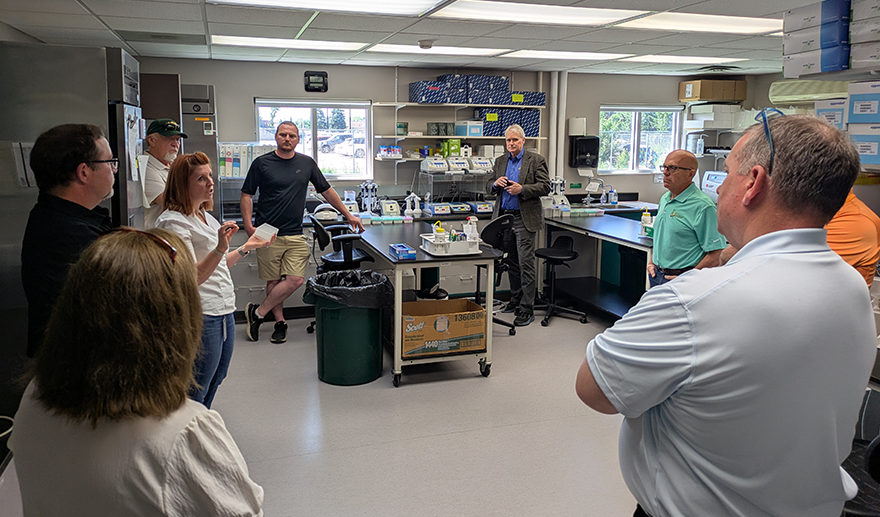
North Dakota agriculture depends on strong partnerships, innovative science, and rapid diagnostic systems to address emerging production challenges. Through Bio Innovation Grant (BIG) funding, the National Agricultural Genotyping Center (NAGC) expanded testing capabilities that directly benefited producers, public agencies, and researchers across North Dakota. These investments strengthened the wheat and barley seed certification program and confirmed Palmer amaranth reports and associated herbicide resistance. All projects funded by BIG built lasting public-private partnerships designed to support North Dakota agriculture well into the future.
Strengthening Seed Certification Through Partnership
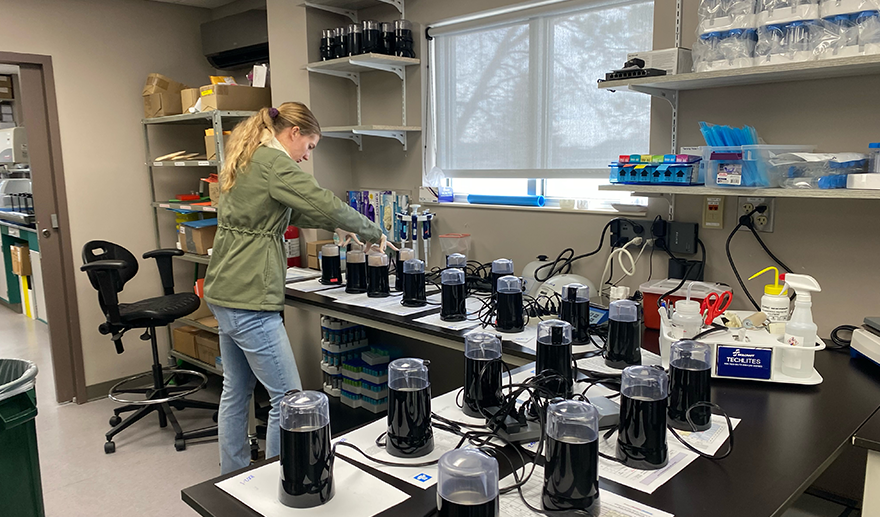
After new crop varieties are released into the market, certified seed programs become essential for maintaining varietal purity, supporting market confidence, and protecting the value of North Dakota wheat production. Varieties have become so complex that using visible traits for identification is not enough. With BIG funding, NAGC developed more precise DNA-based tests to confirm variety identity for North Dakota’s wheat and barley seed certification program. North Dakota producers and seed partners now have access to a local laboratory that can assist with troubleshooting questions involving seed bins, varietal identity, and potential seed mix-ups. NAGC further advanced variety identification by developing the first U.S.-based testing platform for durum wheat. Together, these expanded diagnostic capabilities support both certified seed programs and private farmer needs, helping ensure growers have confidence they are planting the best varieties for their operations and market goals.
A major outcome of the variety ID project was the lasting partnership between NAGC and the North Dakota State Seed Department (NDSSD). Together, NAGC and NDSSD rapidly expanded testing capacity and technical expertise needed to modernize North Dakota’s seed program. The collaboration strengthened diagnostic infrastructure in both laboratories while creating a long-term framework for continued innovation and mutual support for the state’s seed industry.
Advancing Herbicide Resistance Detection
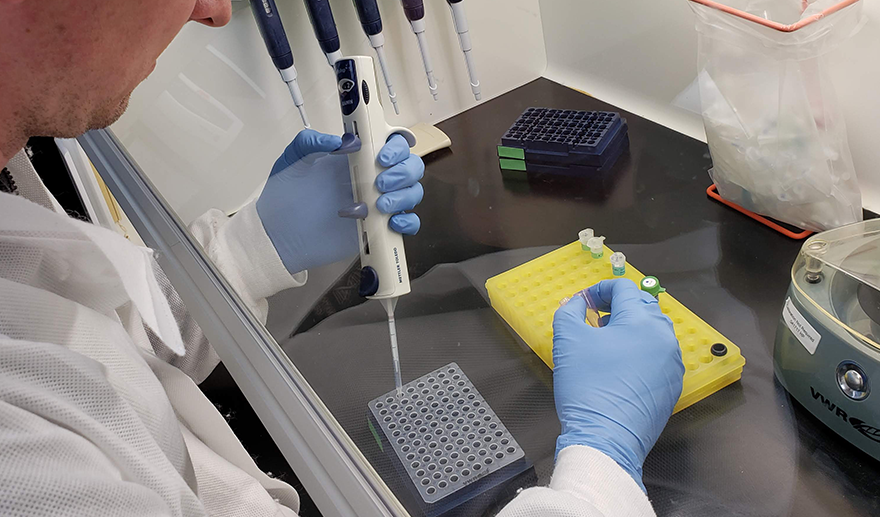
Palmer amaranth is a major threat to crop production due to its aggressive growth and increasing resistance to many herbicides. Early during its invasion into North Dakota, NAGC served as a designated diagnostic laboratory to confirm initial reports of Palmer amaranth through genetic verification, helping to monitor its presence in the state with high confidence. Following confirmation of Palmer amaranth, NAGC quickly pivoted to address the next critical challenge: herbicide resistance. With support from Bio Innovation Grant funding, the laboratory validated and developed DNA tests to detect herbicide resistance markers in Palmer amaranth populations.
To support this effort, NAGC worked closely with weed scientists at North Dakota State University to develop and refine diagnostic tests. This collaboration combined university-based research expertise with applied laboratory diagnostics, resulting in faster and more targeted testing approaches for resistance screening. Through annual surveys, these DNA tests continue to provide producers, agronomists, and researchers with actionable information by helping distinguish between effective and ineffective control options.
Building Long-Term Capacity for North Dakota Agriculture
Beyond the individual project outcomes, Bio Innovation Grant investments supported test validation, laboratory optimization, staff training and hiring, and collaborative research activities that expanded NAGC’s ability to respond to emerging agricultural needs. Equally important, these projects highlighted the value of public-private partnerships in agricultural innovation. By connecting state agencies, university researchers, and diagnostic laboratories, BIG funding helped create collaborative networks capable of translating research into practical tools for North Dakota Farmers.